Blood Tranfusion: A Designer’s Real-World Embroidery Review
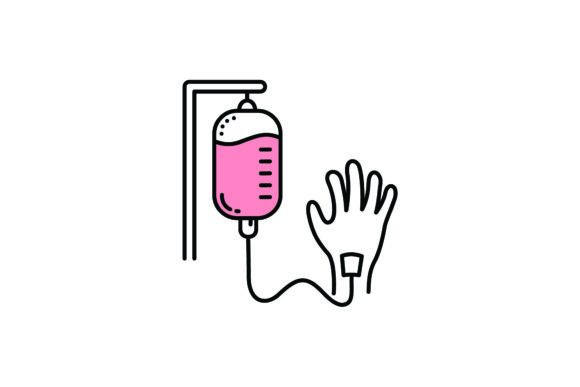
When I first pulled up the Blood Tranfusion file on my screen, my immediate reaction was one of cautious curiosity. As an experienced embroidery designer and product reviewer, I have seen thousands of medical-themed graphics, but most fail the practical test when translated from vector to thread. This specific piece, categorized under Illustrations and Graphics, presents a unique challenge and opportunity for those of us working in the niche of medical apparel and personalized gifts.
The product description labels it as a "medical medical vector for your decoration," available in AI, EPS, SVG, JPG, and Transparent PNG formats with a canvas size of 1980 by 1280 pixels. For a digital designer, these specs are standard. However, for an embroidery professional, the real question is not about pixel dimensions but about how this design behaves under the needle. Does it hold its shape? Is it too dense for soft fabrics? Will it look professional on a finished product?
First Impressions and Visual Personality
The mood of Blood Tranfusion is serious yet stylized. It does not rely on cartoonish exaggeration, which is a common pitfall in medical embroidery designs. Instead, it offers a clean, recognizable silhouette that communicates its theme instantly. The layout is balanced, suggesting that it was created with versatility in mind. Because it is described as easy to use and editable, I suspect the lines are smooth and continuous, which is crucial for minimizing thread breaks and jumps during stitching.
For embroidery designers, the visual personality here is key. It feels appropriate for professional settings—think nurse appreciation gifts, hospital staff uniforms, or medical student gear—rather than just casual novelty items. This distinction matters because it expands the potential market for anyone selling this as a finished product or a custom service.
Real-Case Scenario: The Custom Tote Bag Test
To truly evaluate Blood Tranfusion, I imagined a real-life project: a custom embroidered tote bag for a nursing graduation gift. Tote bags are popular among Etsy sellers and small shop owners because they are high-margin, practical, and serve as walking advertisements for the wearer’s profession.
In this scenario, the design needs to be large enough to be readable from a distance but not so massive that it distorts the fabric. Given the 1980 x 1280 px canvas size, scaling the design down to fit a standard 5x7 or 6x10 hoop should retain clarity. The vector nature of the source files (AI, EPS, SVG) means I can resize it without losing edge definition before converting it into a machine embroidery design. This flexibility is a significant advantage for craft business owners who need to adapt one asset for multiple products, such as switching from a tote bag to a smaller embroidered patch.
Performance on Different Fabrics and Products
One of the most critical aspects of reviewing any graphic for embroidery is understanding its behavior on various textiles. Blood Tranfusion appears to have a moderate level of detail, which makes it versatile but also requires careful handling.
- Sweatshirts and Hoodies: The design would likely perform well here. The thicker fabric provides a stable base for fill stitches, and the contrast of medical-themed graphics on neutral grey or navy sweatshirt embroidery is always a seller.
- Caps and Hats: This is where caution is needed. Curved surfaces like caps require designs that are not too wide or dense. If the original graphic has intricate inner details, they might merge when stitched on a curved brim. I would recommend testing a smaller version or simplifying the stitch density for headwear.
- Baby Clothes: For baby embroidery, softness is paramount. If Blood Tranfusion uses heavy satin stitch borders, it might feel scratchy against sensitive skin. In this case, using a softer thread and ensuring proper stabilizer usage is non-negotiable.
- Patches and Aprons: These are ideal candidates. An embroidered patch allows for dense stitching without worrying about garment distortion, making it perfect for detailed graphics. Aprons, often made of sturdy cotton or canvas, can handle the weight of the design easily.
Technical Considerations for Stitching
Since the provided information does not specify exact stitch counts or recommended hoop sizes, I must advise fellow designers to digitize this vector carefully. Do not assume the auto-digitizing function of your software will produce the best result. Manual adjustment of stitch types is essential.
For the outlines, consider using a running stitch or a narrow satin stitch to maintain crisp edges. For larger filled areas, a fill stitch with appropriate underlay will prevent puckering. Pay close attention to stitch density; if the design is too dense, it will pull on stretchy fabrics like t-shirts, causing the garment to warp. Always test the design on scrap fabric first. This step saves time, thread, and reputation.
Thread color choice is another vital element. While red is obvious for a design titled Blood Tranfusion, consider the context. For a subtle, professional look, you might opt for monochromatic tones or match the thread to the garment color for a tonal effect. Testing the design in black and white mockups can help you see if the contrast holds up without relying on color cues.
Commercial Viability and Brand Consistency
For Etsy sellers and creative entrepreneurs, the value of a design lies in its ability to enhance brand consistency and customer trust. Blood Tranfusion fits well into a curated collection of medical-themed design assets. It looks professional, which translates to higher perceived value for the finished product.
However, licensing is a crucial checkpoint. The description says "Thanks for," which cuts off, leaving the specific license terms unclear. Before using this for commercial embroidery projects or selling digital embroidery files, you must confirm the license. Can you sell finished items? Can you resell the digitized file? Never assume. Clarifying this protects your small business from legal issues and ensures ethical practice.
Final Verdict for Makers and Designers
In conclusion, Blood Tranfusion is a promising asset for those in the medical niche. Its strength lies in its clean vector origins and editable nature, allowing for customization across various hoop sizes and products. It is not just a graphic; it is a potential centerpiece for holiday embroidery, nurse appreciation gifts, or boutique branding.
Remember to check the stitch density, use the right stabilizer for your fabric texture, and always prioritize the comfort of the wearer. Whether you are creating a personalized gift for a loved one in healthcare or stocking your online store with custom apparel, this design offers a solid foundation. Just ensure you do the legwork in digitizing and testing to turn this vector into a high-quality stitched reality.