Review: EMT Miracle-Working Hero Design
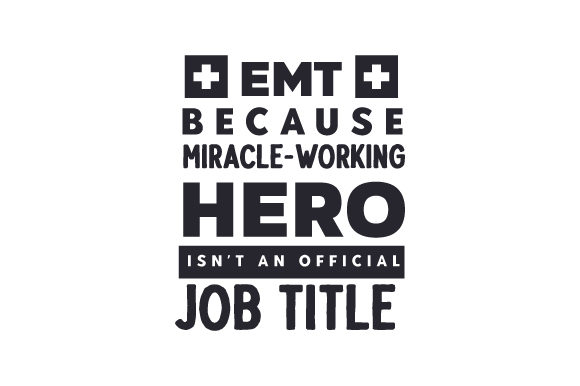
As a designer who has spent countless hours digitizing and stitching out text-based motifs, I approach every new machine embroidery design with a mix of curiosity and caution. Text designs are deceptively simple; they look easy on screen, but the difference between a professional finish and a tangled mess often comes down to font weight, spacing, and stitch density. Recently, I evaluated EMT Because Miracle-working Hero Isn t an Official Job Title to see if it holds up in real-world production environments. This isn’t just about whether the phrase is catchy—it is about whether the digital assets translate into a high-quality finished product that customers will value.
First Impressions and Visual Personality
The immediate appeal of this design lies in its tone. It balances humor with genuine respect for emergency medical technicians. For crafters and Etsy sellers, finding designs that resonate emotionally while remaining lighthearted is key to driving sales. The layout suggests a bold, readable structure, which is essential for apparel. When I first loaded the files, I looked for clean vector lines in the SVG and EPS formats. These are crucial if you plan to resize the design for different hoop sizes or use it for printable mockups before committing to thread.
The mood is celebratory yet grounded. It does not rely on overly complex graphics or dense fill stitch areas that might pucker lightweight fabrics. Instead, it appears to prioritize clarity. This makes it versatile for various crafts within the Medical niche, from serious uniform accents to fun gift items. The visual personality feels modern and straightforward, avoiding the cluttered look that plagues many amateur digitized texts.
Real-World Application: The Custom Sweatshirt Test
To truly judge a design, you must imagine it stitched out. I visualized this piece on a mid-weight cotton blend sweatshirt, a staple for any custom apparel business. The phrase is long, so placement is critical. On a adult medium sweatshirt, centering this across the chest works well, provided the font size remains legible without becoming too wide. I also considered it for a tote bag design. Here, the durability of the stitch matters. A tote gets tossed around, washed, and loaded with gear. If the design uses appropriate stitch density and underlay, it will withstand this wear. However, if the lettering is too thin, it may snap or distort over time.
Another strong candidate is the embroidered patch. Patches are trending in boutique branding and uniform customization. Using the DXF or SVG file, a seller could cut heat-transfer vinyl or fabric shapes to complement the embroidery, creating a mixed-media look. For a personalized gift, such as a nurse’s apron or a technician’s scrub cap, the design adds a layer of professional pride. It tells a story without being overly sentimental, which appeals to buyers looking for authentic handmade products.
Navigating Fabric and Technical Constraints
While the concept is strong, execution depends on your materials. Text designs can be tricky on textured fabrics. If you are stitching this onto a terry cloth towel or a fuzzy fleece blanket, the small details might get lost. In these cases, increasing the scale or using a contrasting thread colors scheme is vital. I recommend testing the design on scrap fabric first. Check how the satin stitch borders hold up against the nap of the fabric. If the letters are filled, ensure the density is not so high that it causes the fabric to bunch or tear, especially on stretchy materials like jersey knits used in baby embroidery items.
Dark fabrics present another challenge. If you are stitching white or light-colored thread on navy or black scrubs, you need a solid underlay to prevent the background from showing through the stitches. This is where reviewing the digital embroidery file settings becomes important. Although the product description lists SVG, PNG, EPS, and DXF, it does not specify native machine formats like PES or DST. As a professional, I advise checking with the seller or using conversion software carefully to maintain stitch integrity. Always confirm licensing before selling commercial embroidery items to ensure you are compliant with the creator’s terms.
Enhancing Product Value and Brand Consistency
For small shop owners and creative entrepreneurs, consistency is brand currency. This design fits seamlessly into a collection focused on healthcare heroes. It pairs well with other design assets like stethoscopes, hearts, or medical crosses. When used in a cohesive line, it boosts buyer engagement because it speaks directly to a specific community. Customers trust products that feel thoughtful and well-produced. A crisp, clean stitch-out of this phrase signals professionalism. It transforms a simple garment into a statement piece, increasing the perceived value of your small business merchandise.
Consider the holiday embroidery market as well. During appreciation weeks or holiday seasons, gifts for EMTs spike in demand. This design serves as an excellent option for wedding gifts for couples in the medical field or as a unique addition to a nursery decor item for an EMT parent. The versatility allows you to market it across multiple seasons and occasions, maximizing your return on investment for the embroidery file purchase.
Practical Designer Notes for Best Results
Before launching this design in your shop, take these practical steps. First, inspect the vector paths in the SVG or EPS file. Ensure there are no broken nodes that could cause issues if you are cutting vinyl or using it for applique templates. Second, test the design in black and white mockups. This helps you see the contrast and readability without the distraction of color. Third, choose your stabilizer wisely. For stretchy fabrics, a cut-away stabilizer provides lasting support, while tear-away may suffice for stable woven cottons used in kitchen towel projects.
Finally, think about the end user. An EMT needs functionality. If this is going on a uniform, ensure the placement does not interfere with pockets or badges. For casual wear, comfort is key. Avoid overly dense stitching in areas that rub against the skin. By treating EMT Because Miracle-working Hero Isn t an Official Job Title as a functional design element rather than just a graphic, you elevate your craft. Whether you are creating a printable mockup for your online store or stitching a one-of-a-kind personalized product, attention to these details ensures your work stands out in a crowded marketplace.
In conclusion, this design offers a solid foundation for meaningful, marketable embroidery projects. It respects the profession it celebrates while providing the aesthetic flexibility needed for modern craft business applications. With careful attention to fabric choice and stitch quality, it can become a staple in your portfolio of healthcare-themed designs.