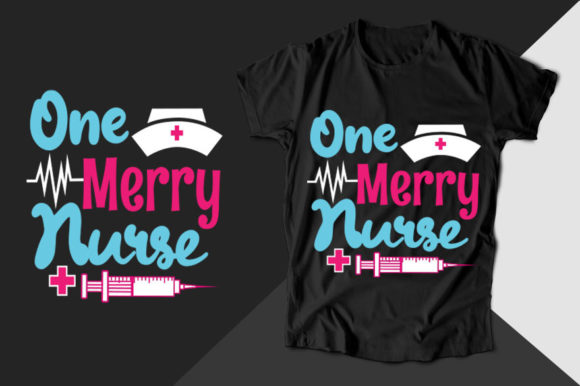
Reviewing One Merry Nurse Design for Embroidery
As a designer who spends half my life staring at digitized paths and the other half pulling threads out of jammed machines, I have learned to look past the flashy preview images. When I first opened the files for One Merry Nurse Nurse T-shirt, my immediate reaction was not about how it looked on a screen, but how it would behave under a needle. This is a critical distinction for any serious crafter or small business owner. We are not just buying a picture; we are buying a set of instructions for thread, fabric, and tension.
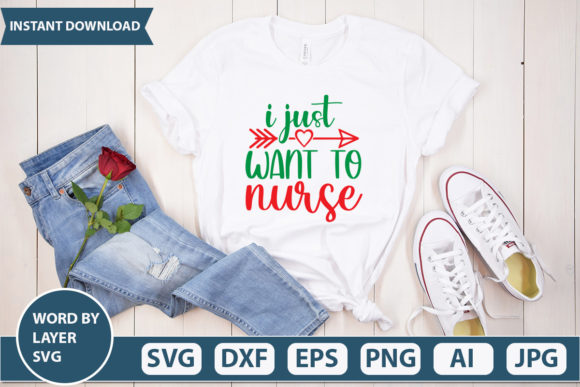
The design carries a festive, cheerful energy that fits perfectly into the holiday season for healthcare workers. But does that cheer translate into clean stitching? In this review, I am evaluating One Merry Nurse Nurse T-shirt from the perspective of real-world application, focusing on its viability for custom apparel, handmade gifts, and commercial embroidery projects.
First Impressions and Visual Personality
The layout of this graphic is bold and centered, which is generally a good sign for embroidery. Complex, sprawling designs often suffer when scaled down, but this composition feels contained. The theme is unmistakably seasonal, blending professional pride with holiday spirit. For an embroidery file, clarity is king. If the lines are too thin or the details too dense, the machine will struggle, and the final product will look messy.
What stands out here is the potential for strong contrast. The visual personality suggests that this design relies on clear shapes rather than subtle gradients. This is ideal for satin stitch and fill stitch applications, where solid blocks of color create impact. However, because the source material describes this as a high-resolution JPG and PNG set intended for various uses including mugs and pillows, we must be cautious. These are raster graphics, not native embroidery formats like DST or PES. This means you will likely need to use auto-digitizing software or manual digitizing tools to convert these Graphics into a usable machine embroidery design. This extra step requires a keen eye for detail.
Real-World Application Scenarios
Let us imagine a realistic scenario. A local nurse approaches your shop in November, looking for a gift for her colleagues. She wants something fun but professional. You pull up One Merry Nurse Nurse T-shirt. Because the design is festive, it works beautifully as a sweatshirt embroidery project. The heavier fabric of a crewneck sweatshirt provides the stability needed for larger fill areas, ensuring the design lays flat without puckering.
Beyond apparel, consider the versatility mentioned in the product description. While the title says T-shirt, the assets are suitable for POD products and printable decorations. For an embroiderer, this translates well to tote bag design projects. A canvas tote with this cheerful motif makes an excellent personalized gift for end-of-year appreciation. The sturdy weave of canvas holds stitches well, allowing the colors to pop against the neutral background.
For those running an Etsy seller shop or a small boutique, this design could also be adapted for embroidered patch creation. By stitching the design onto twill or felt and then cutting it out, you create a versatile accessory that can be ironed or sewn onto scrub caps, jackets, or bags. This adds value to your craft business by offering a product that does not require direct garment decoration, reducing the risk of ruining expensive uniforms.
Technical Considerations and Stitching Challenges
Here is where the experienced eye must take over. Since you are working from high-resolution image files rather than pre-digitized embroidery files, you have full control but also full responsibility. When converting this image, pay close attention to stitch density. Holiday designs often feature reds and greens, which can look muddy if the underlay is not correct. Ensure your digitizing software creates a proper foundation.
Be wary of tiny details. If the original graphic has fine lines or small text, these may not survive the transition to thread. A running stitch might be too fragile for small elements on a item that will be washed frequently. Instead, consider simplifying small components into solid shapes. Test the design on scrap fabric first. This is non-negotiable. Check how the thread colors interact with your chosen fabric. A dark navy scrub top will require different thread choices than a white tea towel.
Fabric texture plays a huge role. On textured fabrics like terry cloth towels or fuzzy fleece, fine details can get lost. For these materials, you might need to increase the size of the design or use an applique design technique, where fabric pieces are stitched down to form the shape, reducing stitch count and preventing stiffness. Always use the appropriate stabilizer. For stretchy fabrics like t-shirts, a cut-away stabilizer is essential to prevent distortion after washing.
Commercial Viability and Brand Consistency
For commercial embroidery professionals, consistency is key. Using One Merry Nurse Nurse T-shirt across a line of products can help build brand recognition. Whether it is on a baby embroidery item for a nurse’s newborn or a holiday embroidery piece for a hospital fundraiser, the cheerful tone remains consistent. This helps in creating a cohesive collection for your small shop product listings.
However, always verify licensing. The description mentions use for POD and printable decoration, but selling physical embroidered items often falls under different rules. Confirm whether the license allows for commercial sale of finished goods. If you are creating design assets for other crafters, ensure you are compliant with redistribution policies. Never assume; always read the terms provided with the download.
Final Verdict for Makers
One Merry Nurse Nurse T-shirt offers a solid foundation for festive healthcare-themed projects. Its strength lies in its bold, recognizable theme which translates well to various mediums. For the embroiderer, the challenge and opportunity lie in the conversion process. By treating the high-resolution images as a blueprint rather than a final stitch file, you can tailor the density and stitch types to suit specific fabrics.
Whether you are making a single custom apparel piece for a friend or stocking up on finished product inventory for the holiday rush, this design has merit. Just remember to test your tensions, choose your stabilizers wisely, and keep the end-user’s comfort in mind. A happy nurse deserves a design that looks as good as it feels.