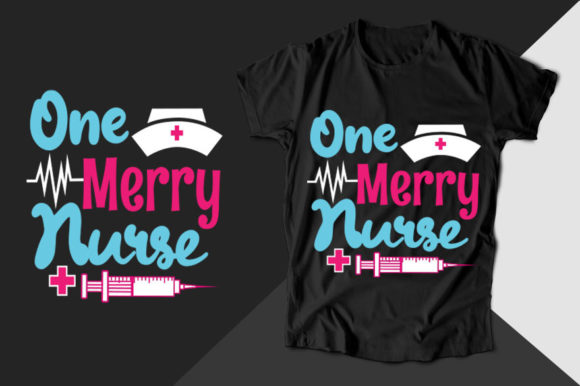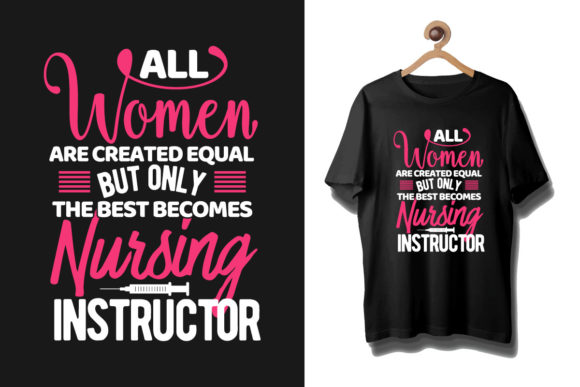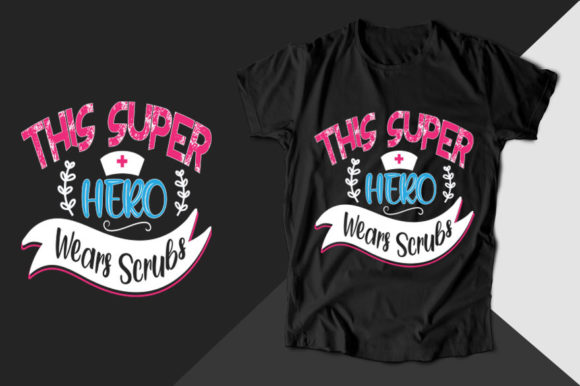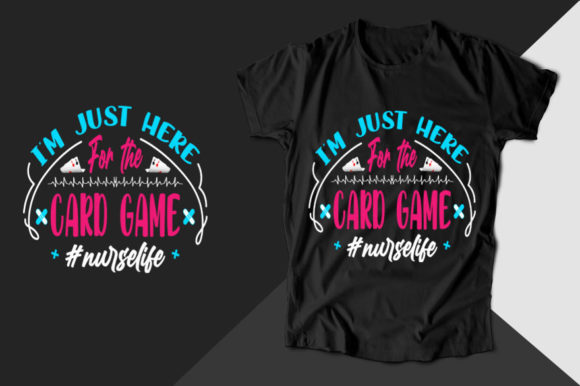
Reviewing the NURSE-T-shirt Design for Embroidery
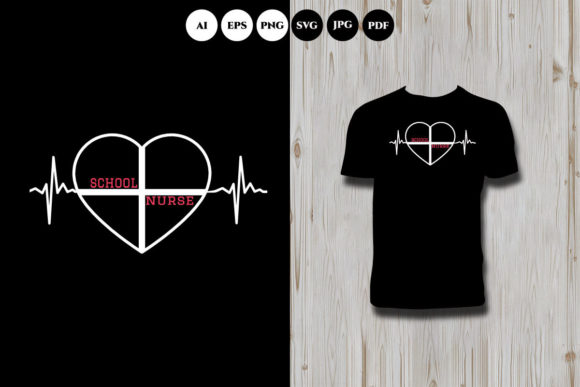
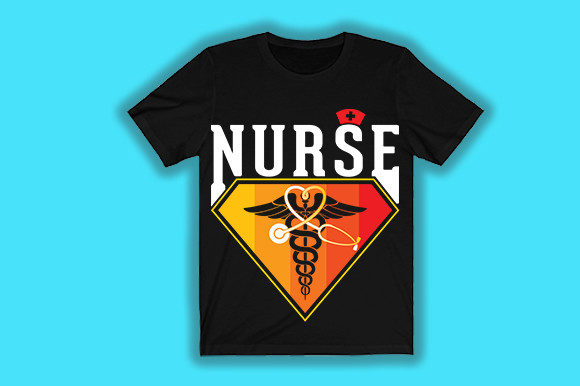
As a designer who has spent years translating digital concepts into tangible, stitched reality, I approach every new asset with a critical eye. We are not just looking at pixels on a screen; we are visualizing thread tension, fabric distortion, and the final tactile experience of the customer. Today, I am evaluating the NURSE-T-shirt Design, a graphic resource marketed primarily for print but increasingly relevant for those of us in the embroidery and craft business sector who need versatile, high-quality base art.
The first impression of this design is one of clean, professional utility. It does not rely on overly complex gradients or fragile details that vanish under the needle. Instead, it presents a bold, recognizable theme that speaks directly to the healthcare community. For an embroidery designer, this clarity is crucial. When you are digitizing or preparing a file for production, you need shapes that hold their integrity. The description notes that this asset is made with 100 vector shapes, which is a significant advantage. It means the design is fully resizable without losing edge definition, allowing you to scale it from a small chest logo to a large back piece without the jagged artifacts that plague raster images.
Real-World Application: Beyond the T-Shirt
While the product title specifies a t-shirt design, my immediate thought was how this would translate to other popular handmade products. Let’s consider a real-life scenario: a local boutique owner wants to create a line of appreciation gifts for hospital staff. A standard printed tee is fine, but an embroidered tote bag or a high-quality sweatshirt carries more perceived value and durability. This is where the NURSE-T-shirt Design shines as a foundational graphic.
I recently worked on a project involving custom aprons for a nursing school graduation gift set. Using a design with this level of structural simplicity allowed me to focus on stitch quality rather than fighting against intricate, un-stitchable details. The bold lines of the nurse-themed graphic would convert beautifully into a combination of satin stitch for borders and fill stitch for larger areas. Because the design is easy to modify and change color, I could match the specific scrubs or branding colors of the institution, ensuring the finished product felt bespoke rather than generic.
Stitching Performance and Fabric Considerations
When evaluating any machine embroidery design source, we must consider how it interacts with different materials. This graphic, being vector-based, gives us control, but we must still apply practical embroidery logic. For instance, if you are applying this to a textured fabric like a thick towel or a fuzzy fleece blanket, you need to ensure your digitized version accounts for pile height. Simple, bold shapes tend to read better on textured surfaces than fine details.
Conversely, if you are using this for baby embroidery on delicate onesies, you must be mindful of stitch density. A heavy fill stitch can cause puckering on thin cotton. In such cases, I recommend using the vector shapes to create a lighter running stitch outline or a sparse fill, ensuring the garment remains soft and comfortable. The flexibility of the source file allows for these adjustments, provided you have the skills to manipulate the vectors before digitizing.
Another critical area is curved surfaces, such as caps or hats. Embroidering on a cap requires a design that is not too tall, to avoid hitting the seam or distorting the front panel. The modular nature of this design suggests it could be cropped or simplified to fit a standard cap hoop size. However, always test on scrap fabric first. What looks perfect on a flat digital mockup can behave differently when pulled tight in a hoop.
Commercial Viability for Etsy Sellers and Crafters
For the Etsy seller or small shop owner, time is money. The ability to quickly generate varied products from a single strong design is invaluable. This T-Shirt Designs asset serves as a robust starting point for a range of items. Imagine offering personalized gifts where the nurse graphic is combined with a name or year. The clean layout provides ample negative space for adding text without cluttering the visual field.
From a branding perspective, consistency is key. If you are building a line of healthcare-themed merchandise, having a design that is easy to modify allows you to create a cohesive collection. You can produce embroidered patches, pillow covers, and kitchen towels that all share the same visual language. This builds trust with your customers, who begin to recognize your style and quality. A professional-looking finished product leads to repeat business and positive reviews, which are the lifeblood of any craft business.
Technical Notes and Best Practices
Before you rush to digitize or print, there are several practical steps I advise every designer to take. First, verify the license terms. While the description mentions it is ready for printed apparel and stickers, commercial embroidery rights may vary. Always confirm whether you can sell finished items or if the license is restricted to personal use. This is crucial for avoiding legal issues down the line.
Second, inspect the vector paths. Even though it is described as 100 vector shapes, open the file in your preferred software and check for stray points or overlapping paths that could complicate the digitizing process. Clean vectors lead to cleaner stitch files.
Third, consider your thread colors. This design likely relies on contrast to be effective. Test it in black and white mockups to ensure the shape is recognizable even without color. If the design loses its identity in monochrome, it may rely too heavily on color blocking, which can be tricky to replicate with thread if you do not have the exact shades. Use high-contrast thread colors against your fabric choice to maximize visibility.
Finally, think about stabilizer selection. For stretchy fabrics like performance tees or jerseys, a cut-away stabilizer is often necessary to prevent distortion after washing. For woven fabrics like canvas tote bags, a tear-away might suffice. The right stabilizer ensures that your hard work in digitizing and stitching is not ruined by fabric movement during wear or cleaning.
Final Verdict
The NURSE-T-shirt Design is a solid addition to any designer’s library of design assets. Its strength lies in its simplicity and versatility. It is not just a graphic for a shirt; it is a flexible component for a wide array of commercial embroidery projects. Whether you are creating a heartfelt holiday embroidery gift for a nurse in your family or stocking your online store with best-selling custom apparel, this design offers the reliability and ease of use that professionals demand. Just remember to respect the technical limits of your machine and fabric, and always prioritize quality control in your final stitch-out.